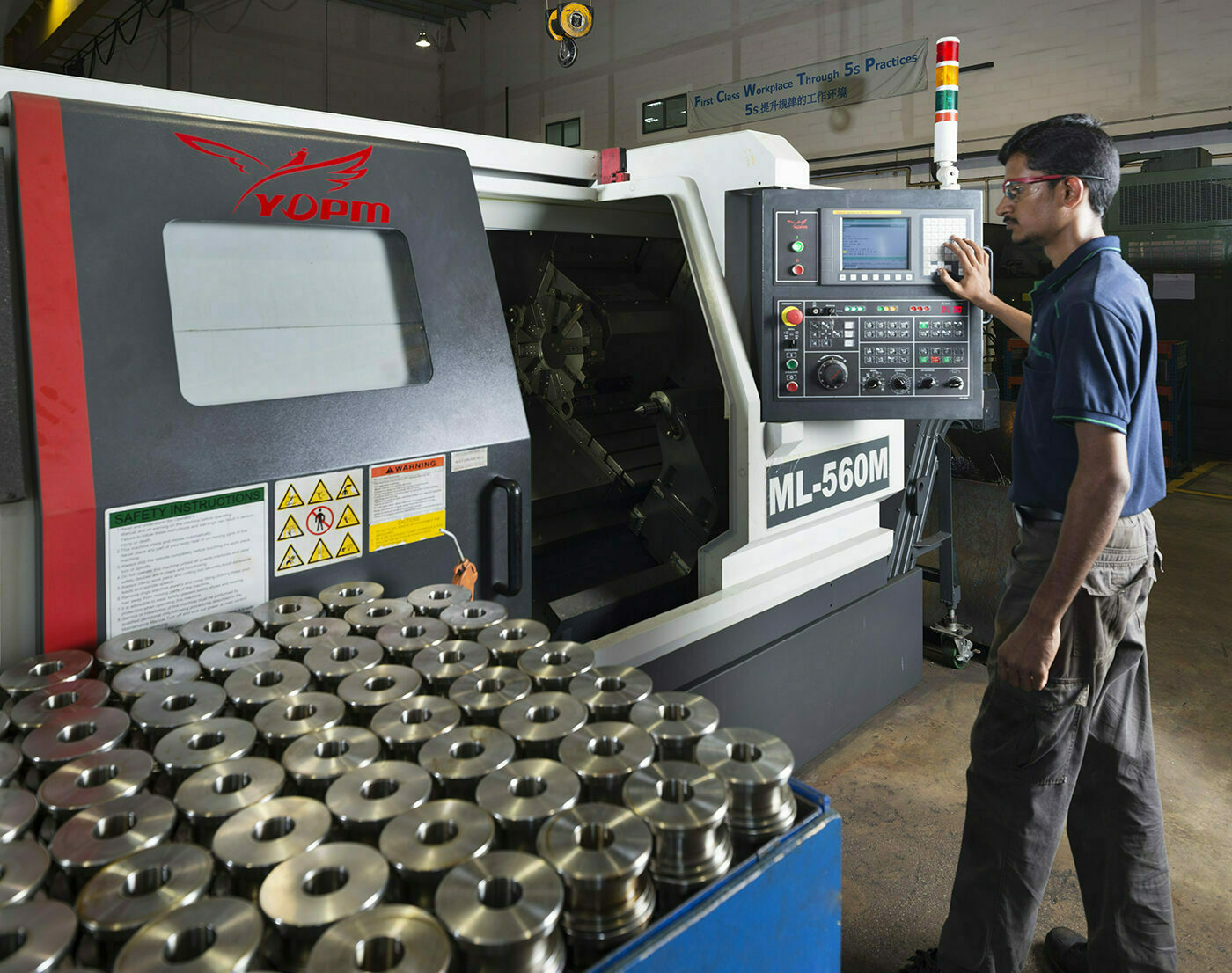
Hydraulic cylinders are the unsung heroes of numerous applications throughout the globe, quietly driving high-load applications in construction, agribusiness, industry, and mineral projects. These robust mechanical actuators change high-pressure fluid into accurate, straight-line motion, elevating, driving, drawing, and positioning large objects with precision and dependability. While they may look misleadingly basic from the outside, the efficiency of a industrial cylinder is the product of the seamless operation of many core parts functioning in unison in perfect balance. Learning these important parts and their roles is important for anyone working in engineering, control, or repair of mechanical systems. Hydraulic cylinder parts
Primary Elements of a Industrial Cylinder and Why They Operate
At the heart of every industrial actuator lies the cylinder barrel, a finely engineered tube that houses the main sliding parts. It serves as the primary shell of the cylinder and holds the working fluid that transmits force. Because it must handle extreme operating stress and enable smooth motion, the inside surface of the barrel is carefully polished to strict specifications.Inside this housing sits the piston, the active component that splits the inside chamber into individual working sections. When controlled oil is sent to one side of the piston, force builds up and drives the piston along the axis of the tube. This movement is what directly creates the powerful, direct force that the system is built to deliver. The piston’s fit and seal within the barrel are vital for effective energy delivery and reduced fluid loss.
Connected firmly to the component is the output shaft, a strong alloy rod that transmits the energy created within the cylinder to the external mechanism. Whether moving out to lift a massive object or retracting to reset a part, the piston bar must be extremely tough and long-lasting. Often surface-treated or otherwise processed to minimize corrosion and drag, this rod ensures that the system can provide consistent results under the toughest situations. Hydraulic cylinder parts
Why Learning Hydraulic Cylinder Elements Matters More Than You Realize
Hydraulic systems hold a major purpose in countless heavy-duty uses, but their output and durability hinge on the condition of every core component. Knowing the roles of the main tube, disc, rod, sealing elements, and additional elements enables operators to diagnose issues rapidly, plan servicing in advance, and take smart choices about fixes or changes. A damaged shaft sealing ring might lead to fluid escape long ahead of a internal issue becomes clear, and detecting this soon can reduce costly delays and maintenance costs.Moreover, choosing the right hydraulic system for a given task demands understanding of how these parts influence force, motion precision, and lifespan. Whether you are planning machinery for a construction fleet, maintaining field tools, or fixing factory processes, a solid grasp of hydraulic unit structure helps ensure maximum results.
As the foundation of so countless industrial systems, mechanical actuators need proper attention. By understanding the roles each component plays—from the power of the drive rod to the accuracy of a small ring—you maximize the complete potential of your equipment and safeguard its performance for many years to come.
Find out more on - Hydraulic cylinder parts